
Scenarios
Chemicals · Petrochemical · Naphtha CrackerExample scenario
Cracker Coil Outlet Temperature (COT)
Lowering outlet temperature conservatively at every feed change cuts ethylene yield. Setting it high speeds coking and shortens the run.
+1.2%pEthylene yield
+8%Decoking interval
Example scenario. Figures are illustrative.

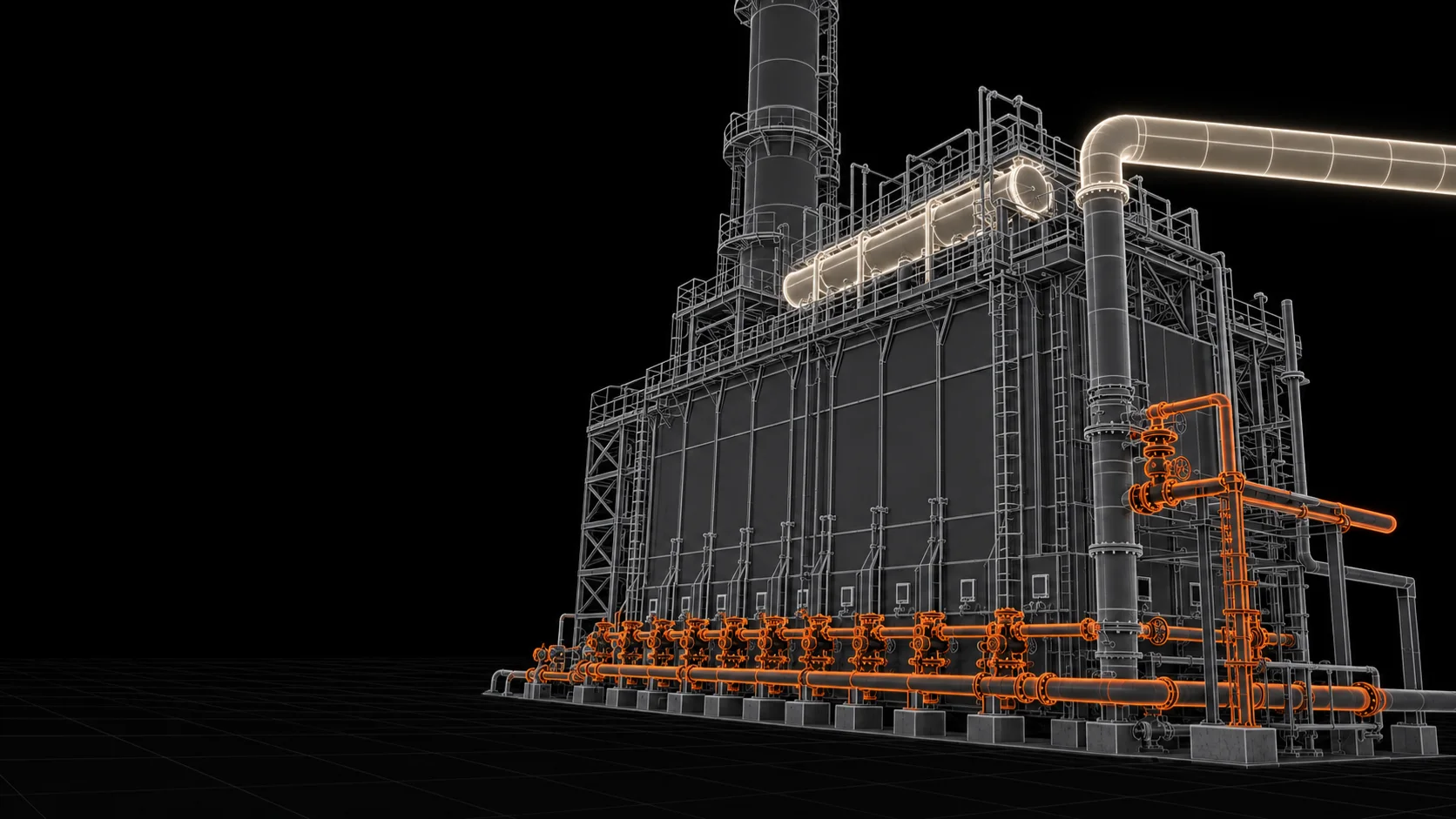
Plant dataTube skin temperature1,052 ℃
PrescriptionCoil outlet temp (COT)835 → 842 ℃
PrescriptionSteam-to-feed ratio0.50 → 0.55
Expected resultEthylene yield30.0% → 31.2%
Plant dataPrescriptionExpected result
On the floor
- Situation
- This week's naphtha has 4%p more paraffins than usual, and furnace 3 is on day 40 since decoking.
- Trade-off
- A higher COT lifts ethylene yield but speeds coking and brings the next decoke forward.
- Limit
- After a feed change, COT is fixed low from past experience; no optimum is calculated per feed property.
01
02
03
How we solve it
Learns how operating conditions affect yield and coking rate from feed properties, cracking conditions, tube temperatures and cracked gas analysis, then calculates COT and steam ratio within tube temperature limits.
Plant data
- Naphtha feed properties
- Coil outlet temperature
- Tube skin temperature
- Steam-to-feed ratio
- Cracked gas composition
Prescription
- Coil outlet temperature (COT)835 ℃ → 842 ℃
- Steam-to-feed ratio0.50 → 0.55
Also adjustedDecoking timing
Constraints
- Tube skin temperature ≤ 1,080 ℃
- Furnace heat duty within design limit
Expected results
Ethylene yield+1.2%p
30.0%→31.2%
BeforeExpected
Decoking interval+8%
50 days→54 days
BeforeExpected
Could this work for your process?
Tell us about your process and data, and we will assess feasibility.
Scenarios
Chemicals
Continuous Reactor
Example scenarioContinuous Reactor
Reactor Feed Ratio
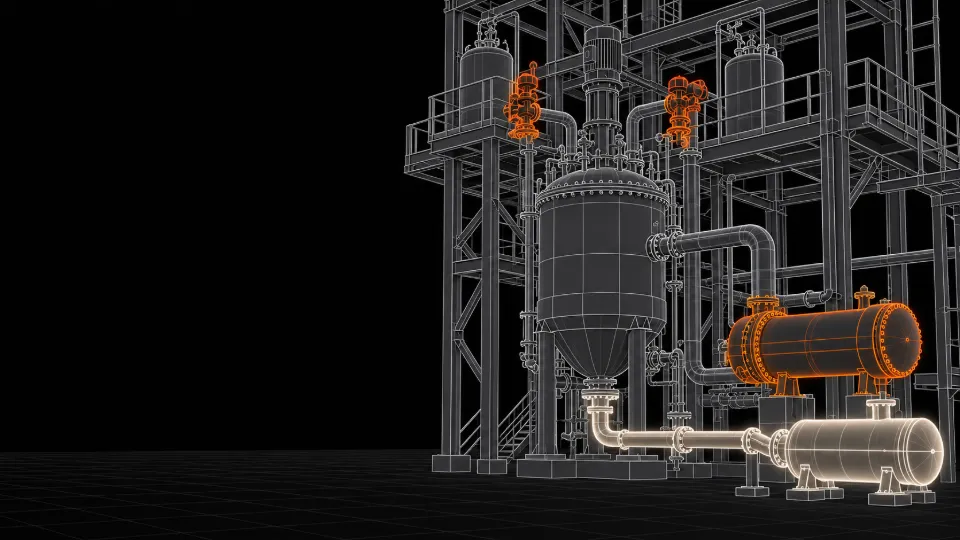
Prescribes feed ratio and reaction temperature to raise yield and cut by-products.
+2.6%
Target product yield
−14%
By-product formation
Feed B/A molar ratio 1.20 → 1.15
Chemicals
Distillation Column
Example scenarioDistillation Column
Distillation Reflux & Steam
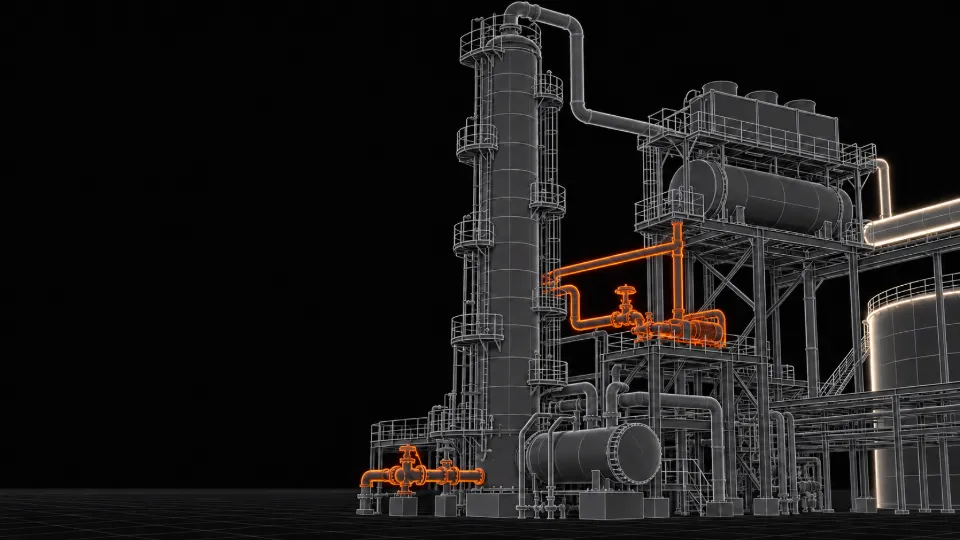
Prescribes reflux ratio and reboiler steam to hold purity with less steam.
−6%
Steam usage
−20%
Time off purity spec
Reflux ratio 3.2 → 2.9