
Scenarios
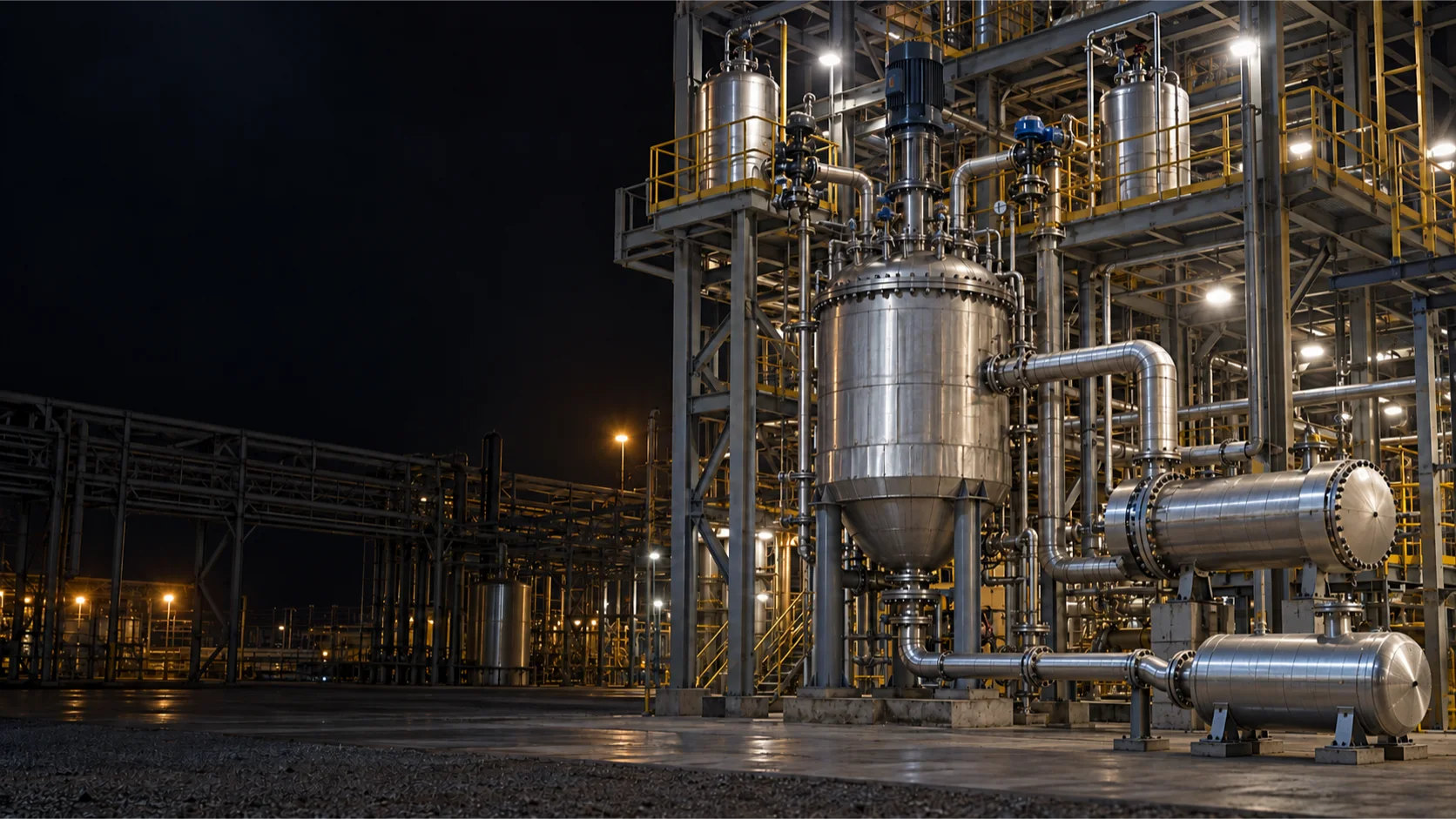
Chemicals · Reaction · Continuous ReactorExample scenario
Reactor Feed Ratio
Feed purity and catalyst activity keep changing, yet the reactor runs at design values. While conditions are off, yield drops and by-products rise.
+2.6%Target product yield
−14%By-product formation
Example scenario. Figures are illustrative.
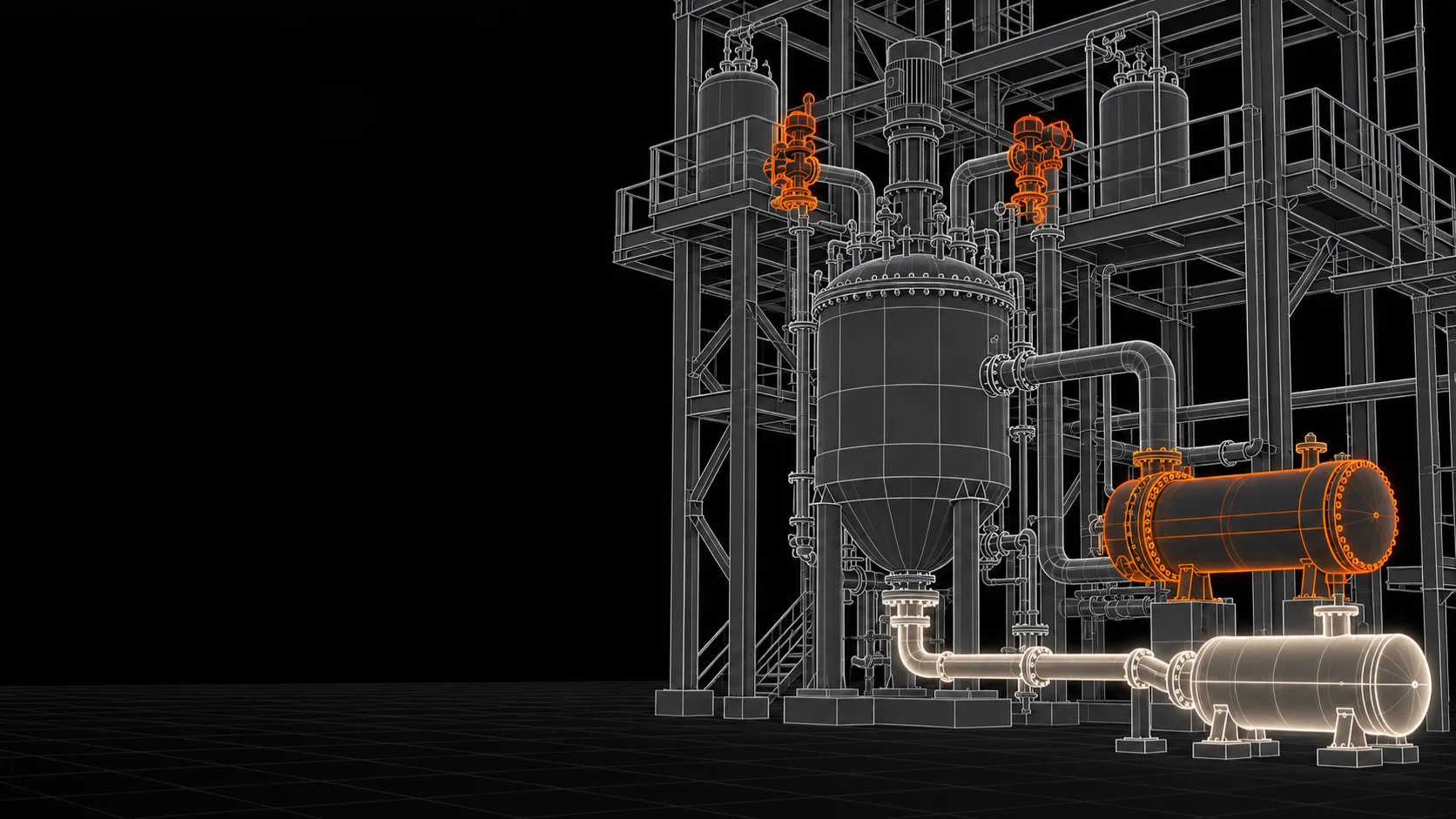
Plant dataReactor pressure1.8 MPa
PrescriptionFeed B/A molar ratio1.20 → 1.15
PrescriptionReaction temperature182 → 178 ℃
Expected resultTarget product yield85.0% → 87.2%
Plant dataPrescriptionExpected result
On the floor
- Situation
- Eight months after the last catalyst change, activity has dropped, and this week's feed B is 0.6%p less pure.
- Trade-off
- Raising reaction temperature restores conversion but increases by-products; leaving it lowers output.
- Limit
- The reactor runs at fixed design values, and catalyst aging is reflected only at quarterly reviews.
01
02
03
How we solve it
Learns how operating conditions affect yield and by-products from feed flow and purity, reactor temperature and pressure, and product analysis, then calculates molar ratio and temperature within the range validated by data.
Plant data
- Feed A/B flow
- Feed purity
- Reactor temperature & pressure
- Catalyst days on stream
- Product composition
Prescription
- Feed B/A molar ratio1.20 → 1.15
- Reaction temperature182 ℃ → 178 ℃
Also adjustedReactor residence time
Constraints
- Reactor pressure within design limit
- Reaction temperature ≤ 190 ℃
Expected results
Target product yield+2.6%
85.0%→87.2%
BeforeExpected
By-product formation−14%
5.0%→4.3%
BeforeExpected
Could this work for your process?
Tell us about your process and data, and we will assess feasibility.
Scenarios
Chemicals
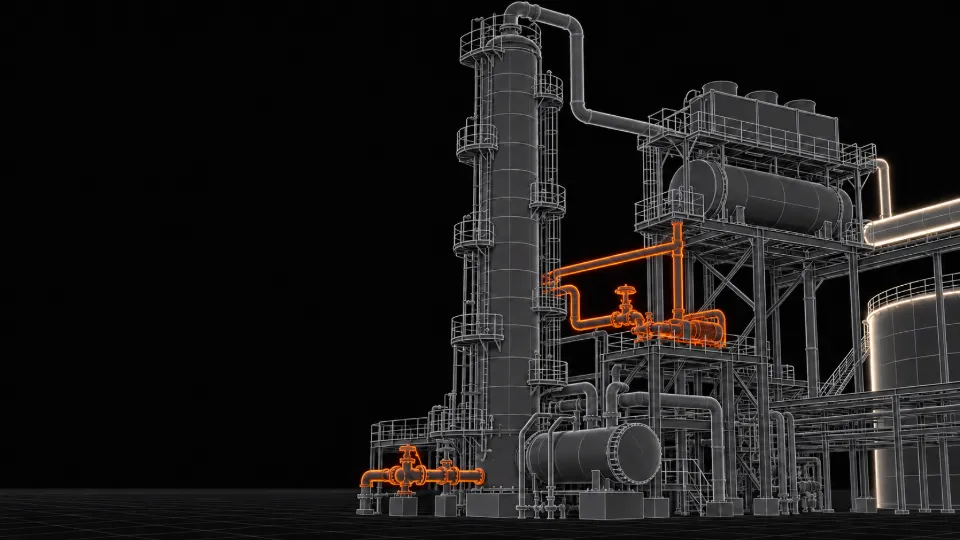
Distillation Column
Example scenarioDistillation Column
Distillation Reflux & Steam
Prescribes reflux ratio and reboiler steam to hold purity with less steam.
−6%
Steam usage
−20%
Time off purity spec
Reflux ratio 3.2 → 2.9
Chemicals
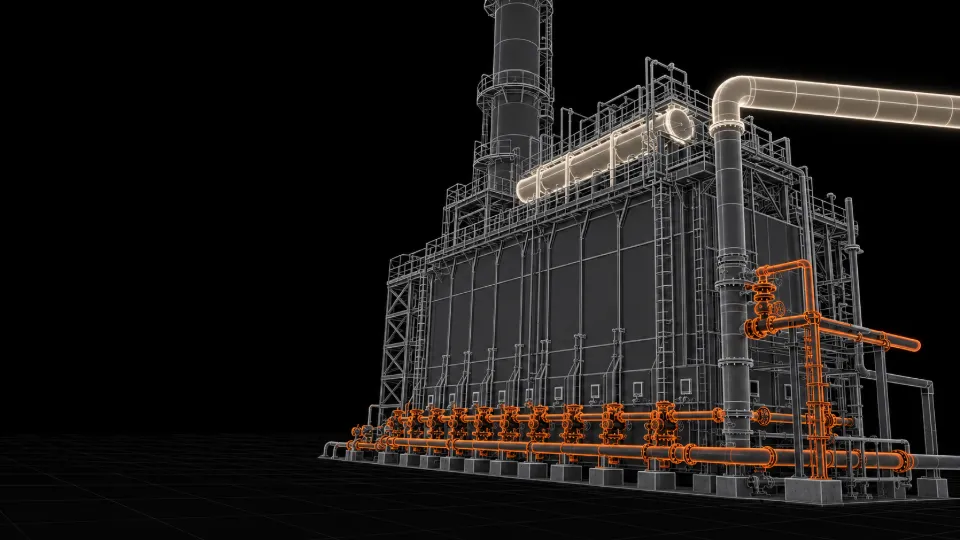
Naphtha Cracker
Example scenarioNaphtha Cracker
Cracker Coil Outlet Temperature (COT)
Prescribes COT and steam-to-feed ratio to raise ethylene yield and run length.
+1.2%p
Ethylene yield
+8%
Decoking interval
Coil outlet temperature (COT) 835 ℃ → 842 ℃