
We read the signals your equipment already sends
Entry temperature, rolling force, roll speed, exit diameter. Existing data is connected into one process model.

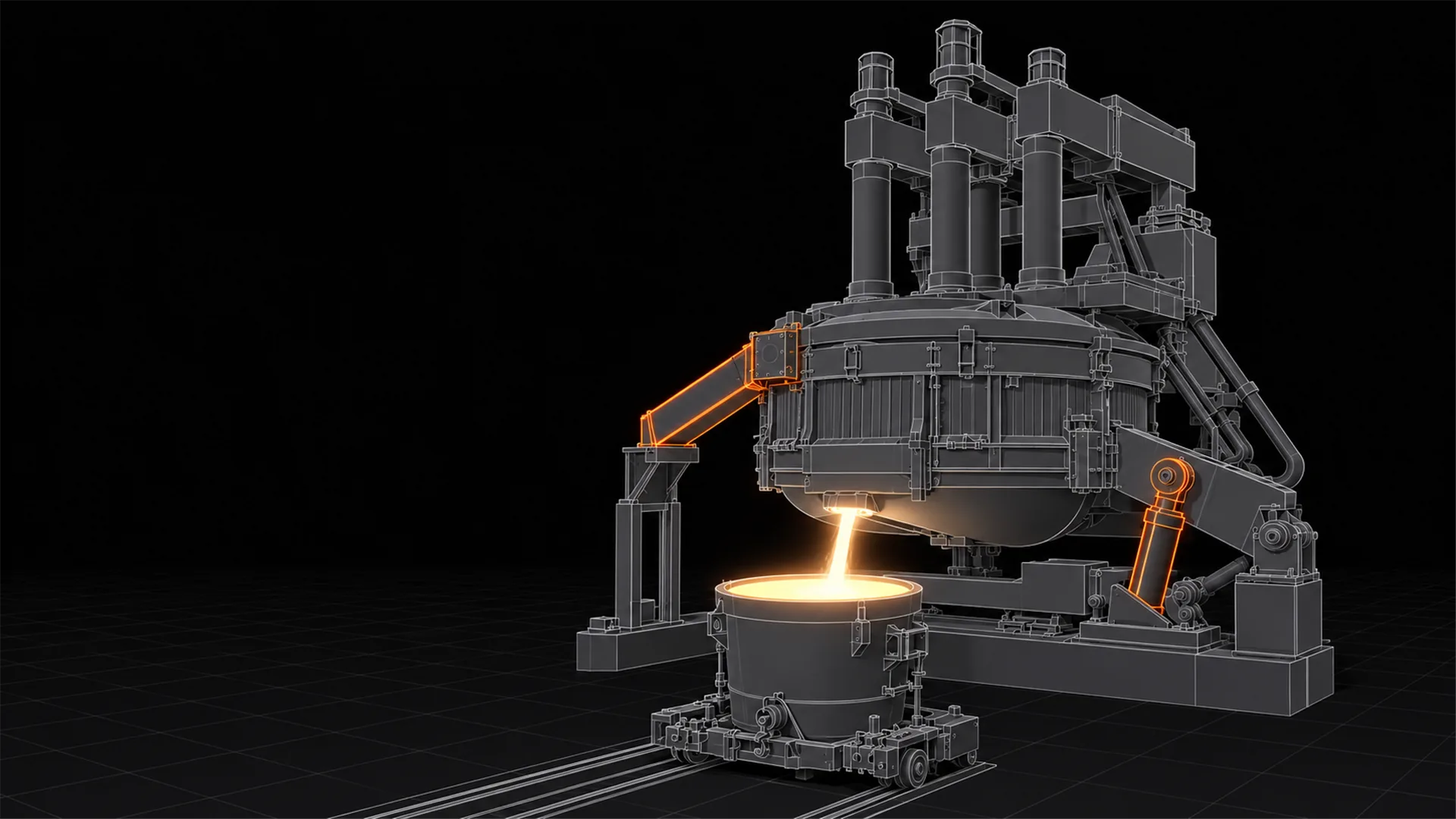
Prescription · 3 variables at once
Turn plant data
into decisions you run today.
OPTI-X learns from your process data and prescribes what to change, and by how much, as values your operators can apply right away.
OPTI-X learns from your process data and prescribes what to change, and by how much, as values your operators can apply right away.
Prescription · 3 variables at once
Tapping temp.Hits 1,600±10°C
A prescription is the setting to change now, with its rationale. Follow a bar rolling process from data to an applied prescription.
Bar rolling · Stand 3 · Example scenario
Entry temperature, rolling force, roll speed, exit diameter. Existing data is connected into one process model.
—
Illustrative figures. Equipment motion is exaggerated for clarity.
It does not stop at a forecast. It gives the setting to change now and by how much.
It never proposes values outside equipment limits, safety standards, or the operating range validated by data.
When feed, equipment condition, or the production plan changes, it recalculates for the new conditions.
Every process has different variables, but the principle is the same: produce values the plant can run.
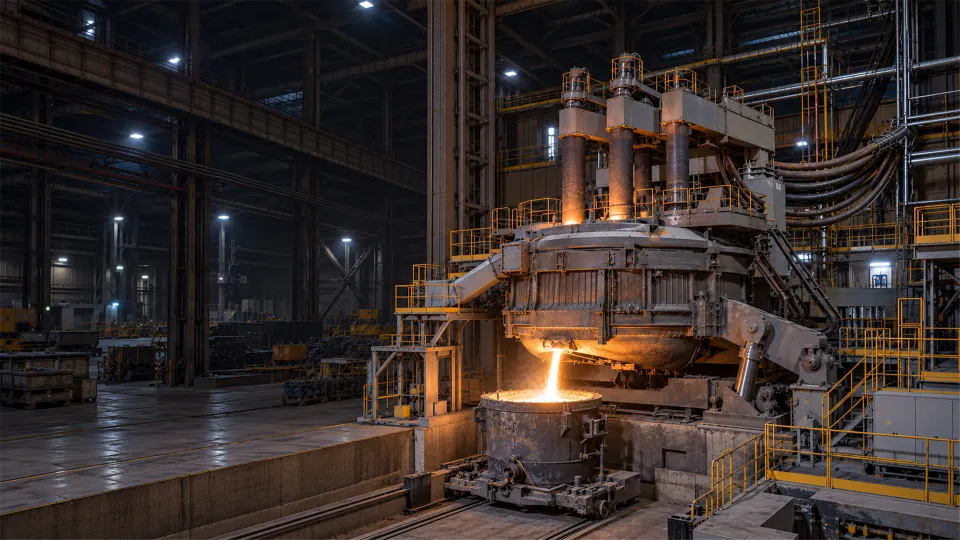

Reactor · Distillation column · Cracker

Etch · Deposition (CVD)
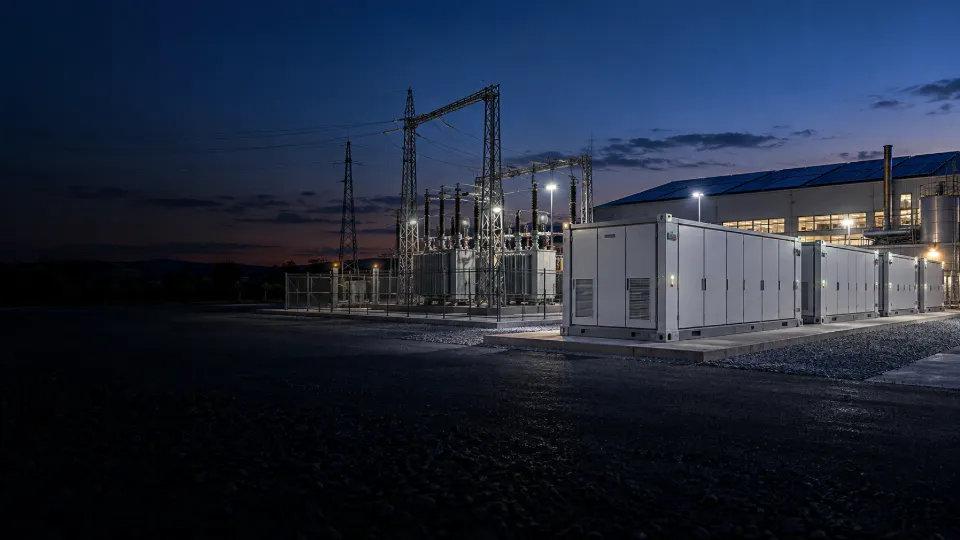
Water treatment · ESS · Plant power · VPP & microgrid · EV charging
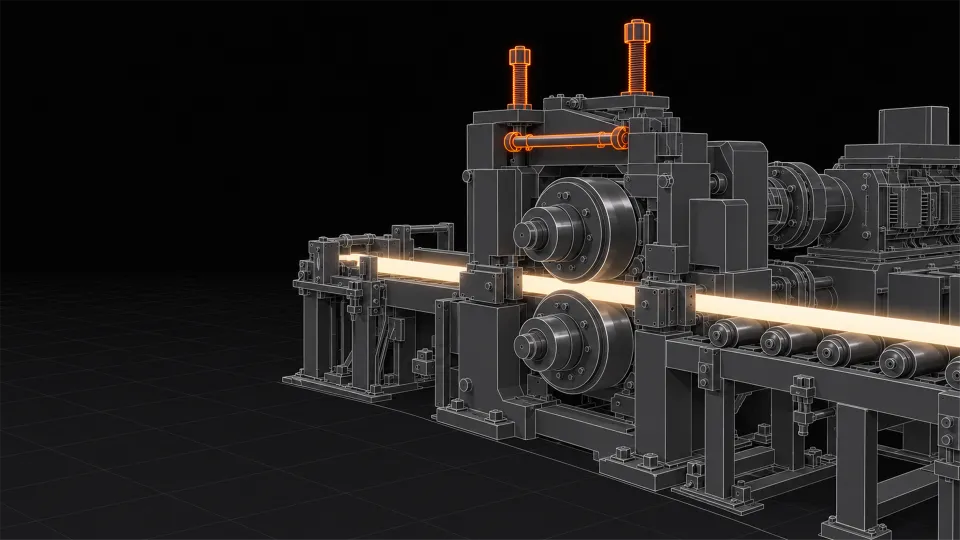
Prescribes roll gap and cooling water flow to reduce bar diameter variation.
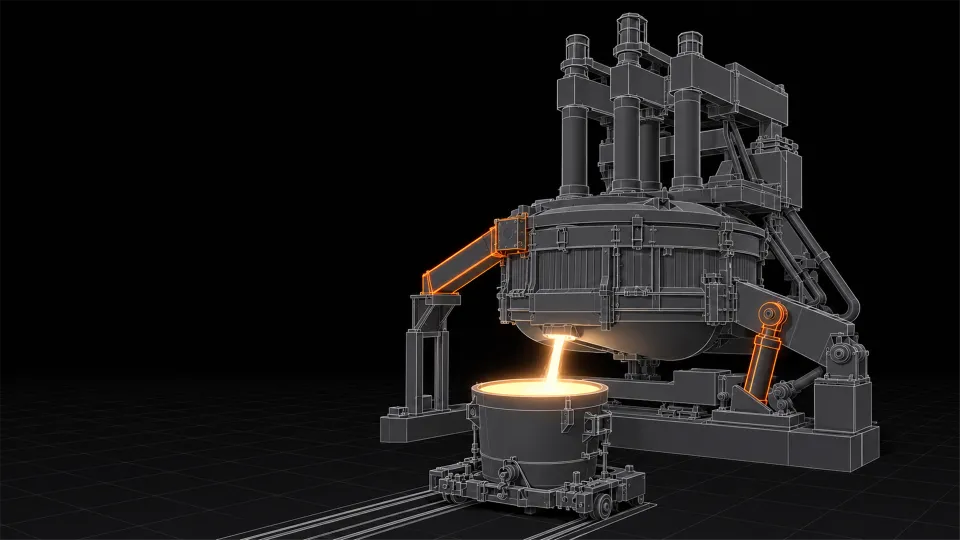
Prescribes lime addition to hit tapping temperature and cut power use.
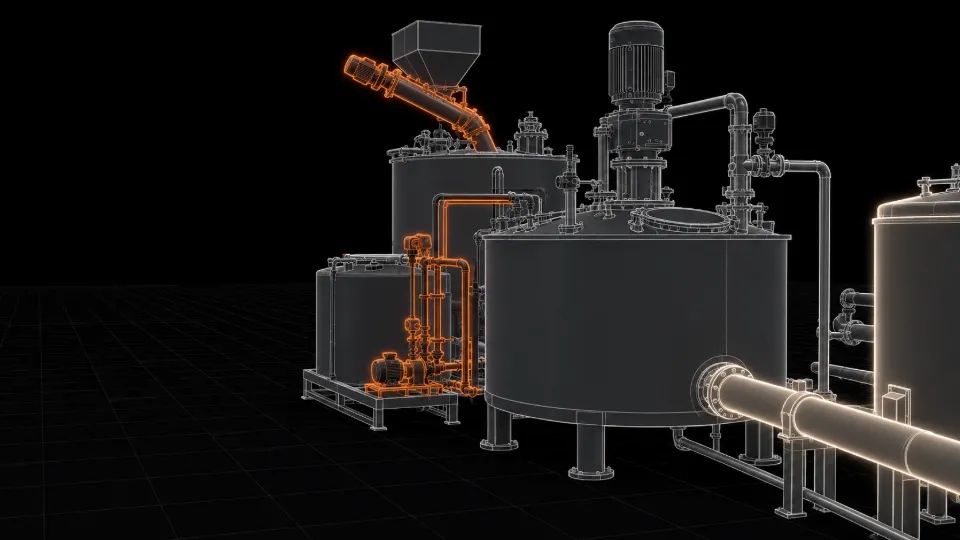
Prescribes caustic soda dosing to hold pH on target and raise nickel recovery.
Before you commit, check feasibility on virtual data in OPTIVERSE.