
Scenarios
Steel & Specialty Steel · Steelmaking · Electric Arc FurnaceExample scenario
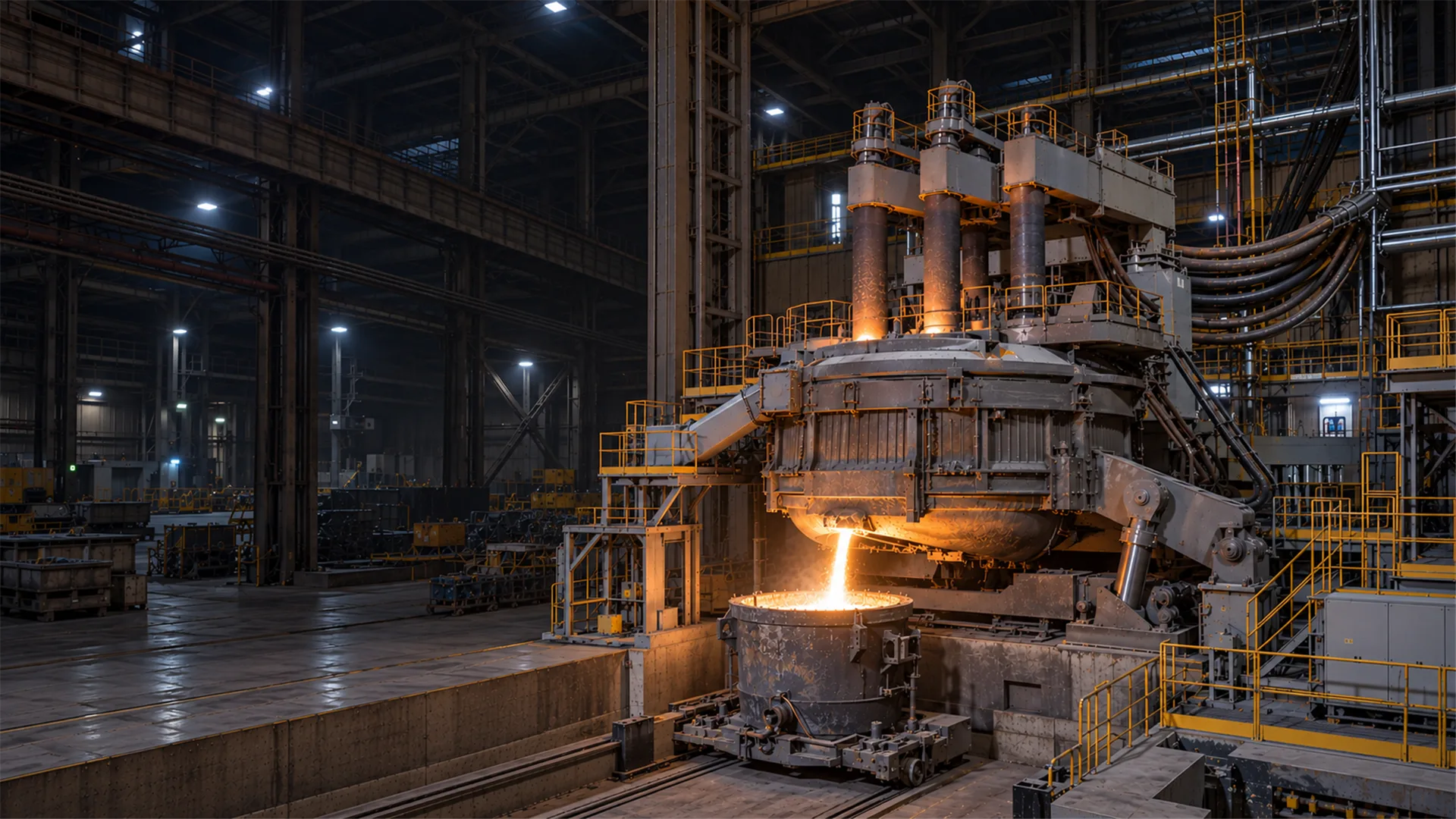
EAF Flux Addition
The scrap mix changes every heat, yet lime is charged from a fixed table. Too much raises power and slag; too little leaves phosphorus too high.
+12%pTapping temp. hit rate
−3.1%Power intensity
−8%Lime consumption
Example scenario. Figures are illustrative.
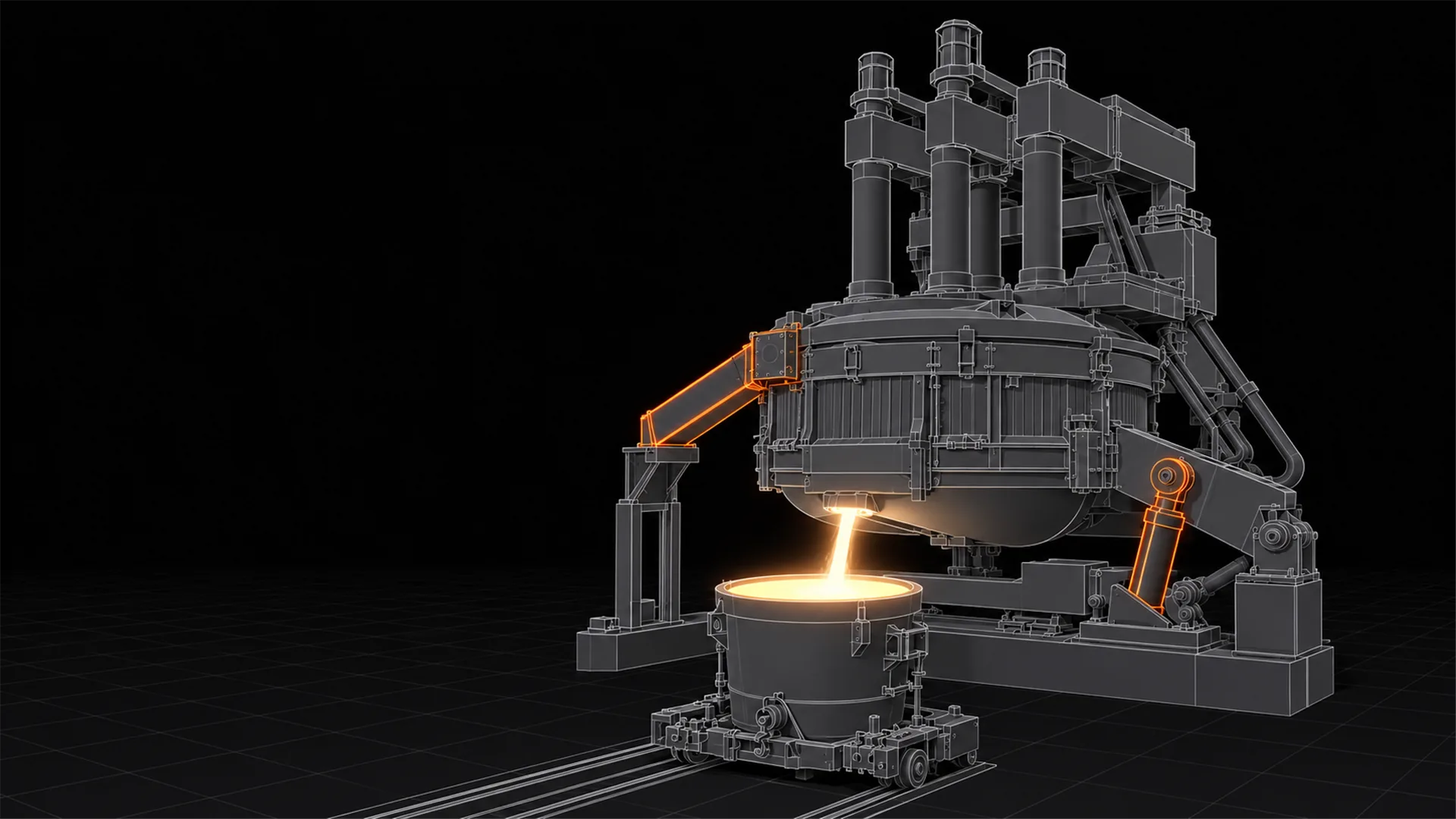
Plant dataPower input41.2 MWh
PrescriptionVoltage tap6 → 5
PrescriptionFlux addition2.4 → 2.1 t
PrescriptionTapping tilt speed1.2 → 0.9 °/s
Expected resultTapping temp.Hits 1,600±10°C
Plant dataPrescriptionExpected result
On the floor
- Situation
- This heat carries 15%p more low-grade scrap than usual, and phosphorus (P) in the melt is elevated.
- Trade-off
- More lime removes phosphorus but adds slag and power; less lime puts tapping chemistry out of spec.
- Limit
- The table holds averages per scrap grade and ignores the actual mix and melt temperature of each heat.
01
02
03
How we solve it
Learns how charging conditions affect tapping results from per-heat scrap mix, power and melt analysis records, then calculates voltage tap and lime addition within the range validated by data.
Plant data
- Scrap mix ratio
- Melt temperature
- Slag basicity
- Power input
- Melt phosphorus (P)
Prescription
- Voltage tap6 → 5
- Flux (lime) addition2.4 t → 2.1 t
- Tapping tilt speed1.2 °/s → 0.9 °/s
Also adjustedOxygen injection rateCarbon injection timing
Constraints
- Phosphorus ≤ 0.025% at tapping
- Slag basicity within 1.8–2.5
Expected results
Tapping temp. hit rate+12%p
78%→90%
BeforeExpected
Power intensity−3.1%
420 kWh/t→407 kWh/t
BeforeExpected
Lime consumption−8%
40 kg/t→36.8 kg/t
BeforeExpected
Could this work for your process?
Tell us about your process and data, and we will assess feasibility.
Scenarios
Steel & Specialty Steel
Leaching/Neutralization
Example scenarioLeaching/Neutralization
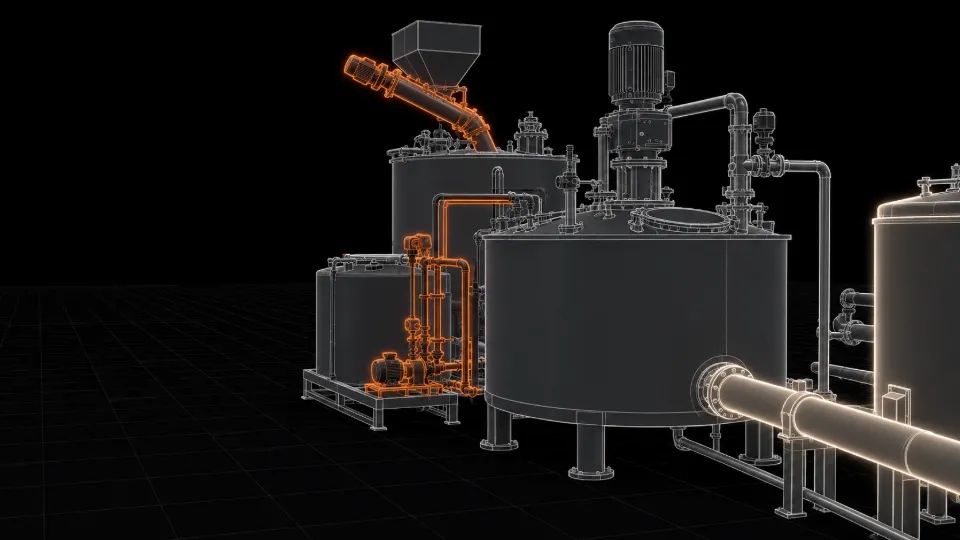
pH Control in Leaching & Neutralization
Prescribes caustic soda dosing to hold pH on target and raise nickel recovery.
+4.8%
Nickel recovery
−62%
Time out of pH range
−9%
Caustic soda usage
Caustic soda dosing 12.0 L/h → 13.4 L/h
Steel & Specialty Steel
Open-Die Press
Example scenarioOpen-Die Press
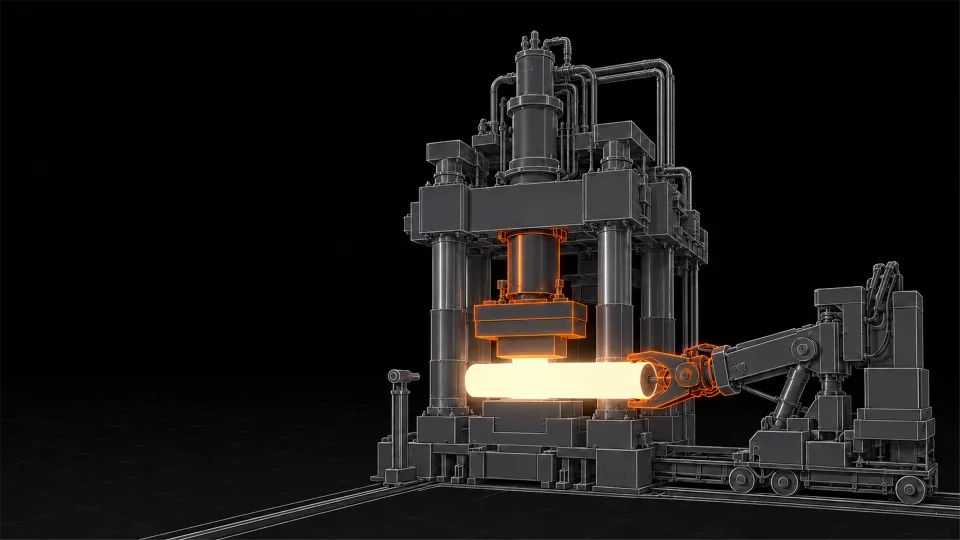
Forging Pass Reduction Schedule
Prescribes reduction per pass and rotation angle to cut reheating cycles.
−1
Reheats
−9%
Forging cycle time
Reduction per pass 45 mm → 38 mm
Steel & Specialty Steel
Bar Mill
Example scenarioBar Mill
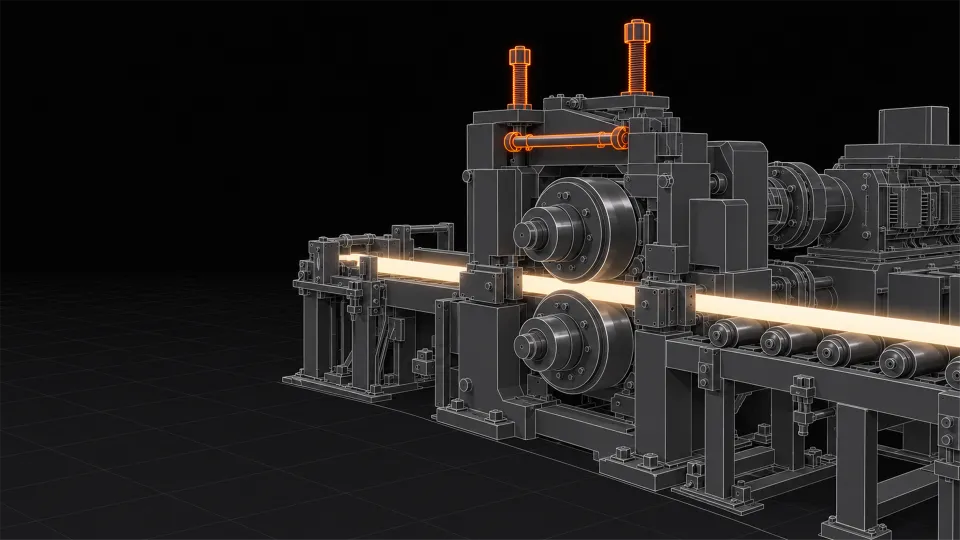
Bar Rolling Roll Gap
Prescribes roll gap and cooling water flow to reduce bar diameter variation.
−40%
Diameter deviation
−12%
Rework length
Roll gap 14.2 mm → 14.0 mm