
Scenarios
Steel & Specialty Steel · Rolling · Bar MillExample scenario
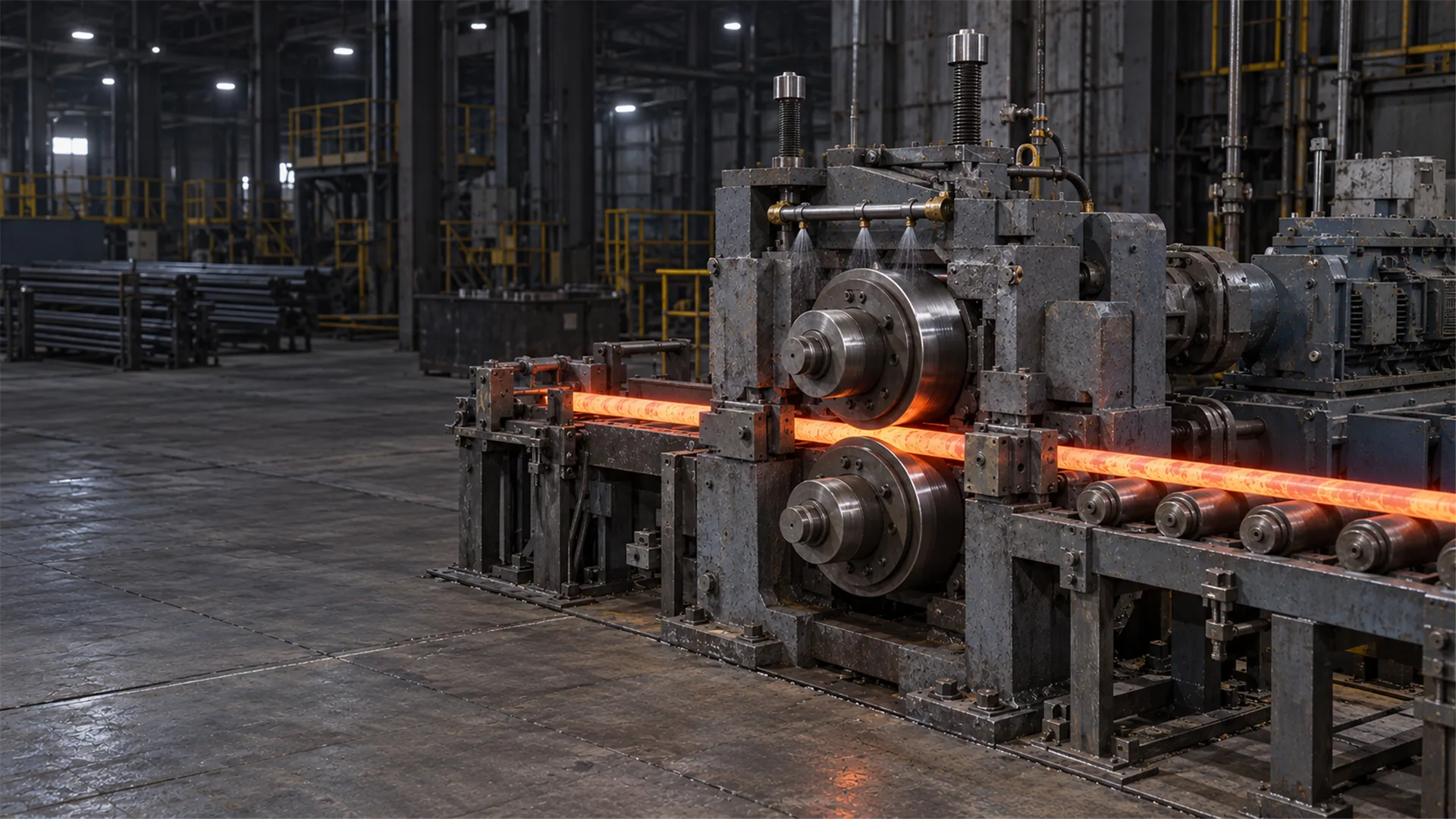
Bar Rolling Roll Gap
When stock temperature changes, the same roll gap yields a different bar diameter. Out-of-tolerance lengths are rolled while operators correct manually after measurement.
−40%Diameter deviation
−12%Rework length
Example scenario. Figures are illustrative.
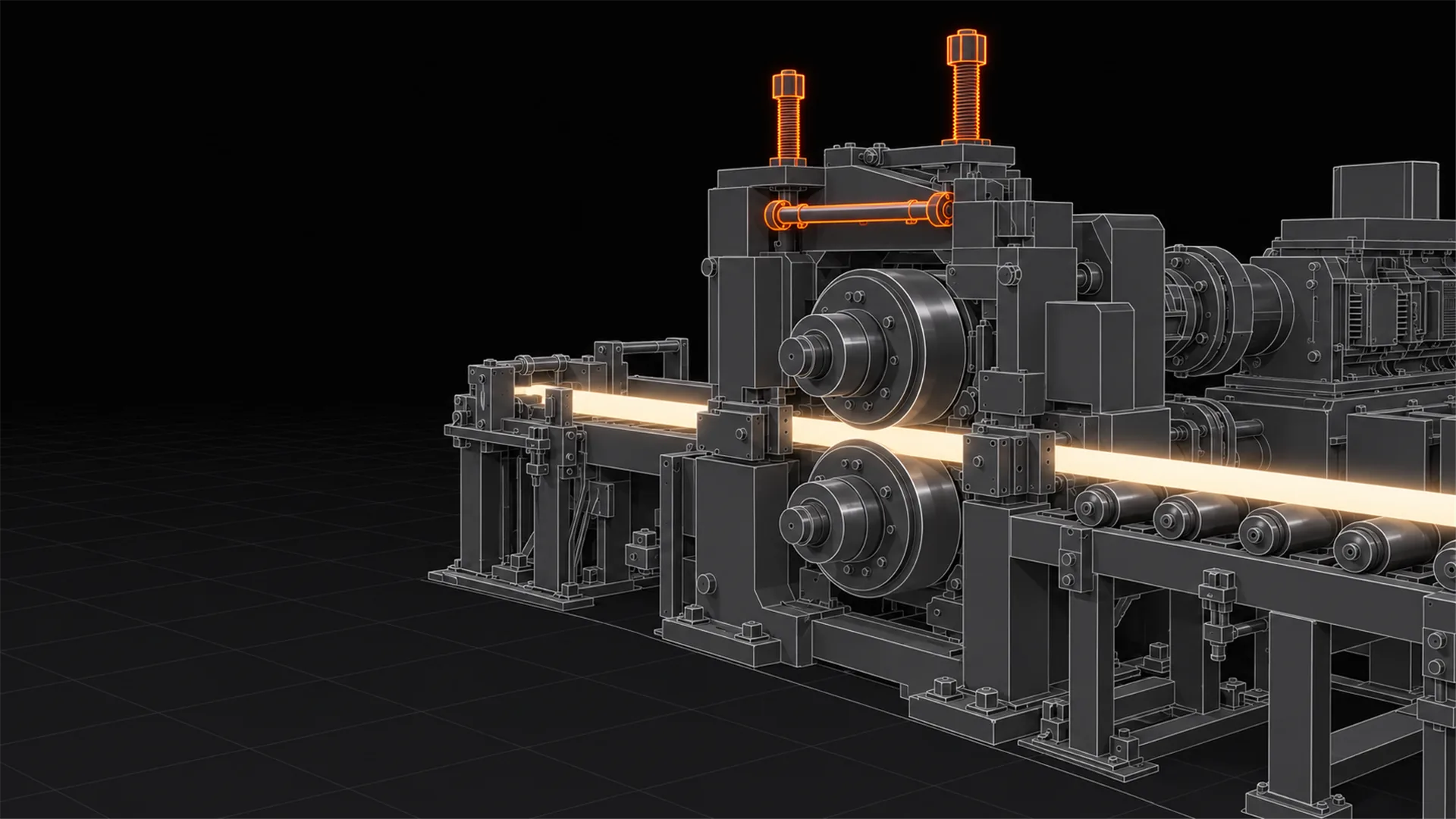
Plant dataEntry temp.1,050°C
PrescriptionRoll gap14.2 → 14.0 mm
PrescriptionCooling water220 → 245 m³/h
PrescriptionRolling speed8.5 → 8.2 m/s
Expected resultDiameter deviation±0.30 → ±0.18 mm
Plant dataPrescriptionExpected result
On the floor
- Situation
- Stock leaves the furnace 30 ℃ cooler than usual, and exit diameter is sitting at the upper tolerance.
- Trade-off
- Closing only the roll gap pushes rolling load toward its limit; slowing down cuts hourly output.
- Limit
- Operators correct by hand after reading the exit gauge, so everything rolled before the correction is rework.
01
02
03
How we solve it
Learns how settings affect diameter from entry temperature, stand load and diameter records, then calculates roll gap, cooling water and speed together within the range validated by data.
Plant data
- Entry stock temperature
- Rolling load per stand
- Exit diameter measurement
- Roll speed
- Cooling water temperature
Prescription
- Roll gap14.2 mm → 14.0 mm
- Cooling water220 m³/h → 245 m³/h
- Rolling speed8.5 m/s → 8.2 m/s
Also adjustedInter-stand tension
Constraints
- Within maximum rolling load per stand
- Finish rolling temperature ≥ 900 ℃
Expected results
Diameter deviation−40%
±0.30 mm→±0.18 mm
BeforeExpected
Rework length−12%
250 m/day→220 m/day
BeforeExpected
Could this work for your process?
Tell us about your process and data, and we will assess feasibility.
Scenarios
Steel & Specialty Steel
Leaching/Neutralization
Example scenarioLeaching/Neutralization
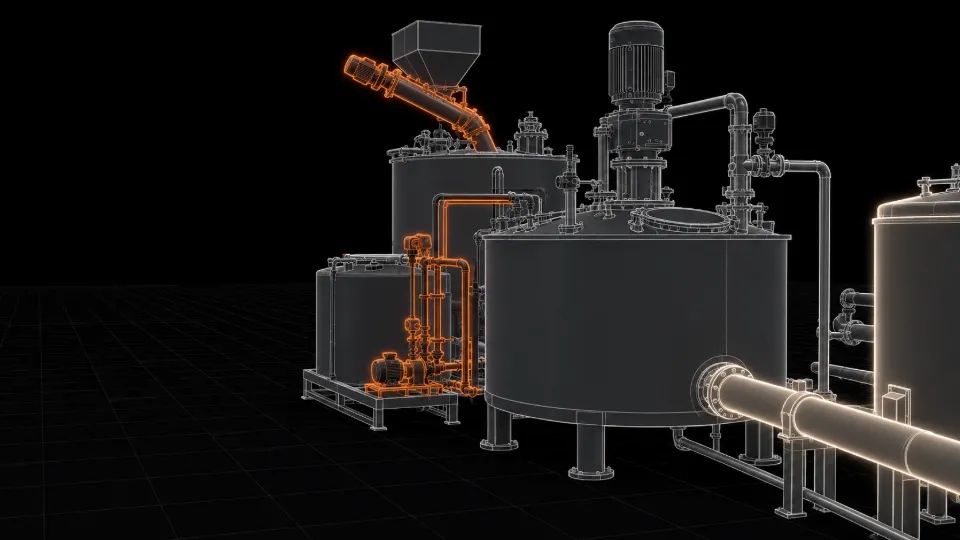
pH Control in Leaching & Neutralization
Prescribes caustic soda dosing to hold pH on target and raise nickel recovery.
+4.8%
Nickel recovery
−62%
Time out of pH range
−9%
Caustic soda usage
Caustic soda dosing 12.0 L/h → 13.4 L/h
Steel & Specialty Steel
Electric Arc Furnace
Example scenarioElectric Arc Furnace
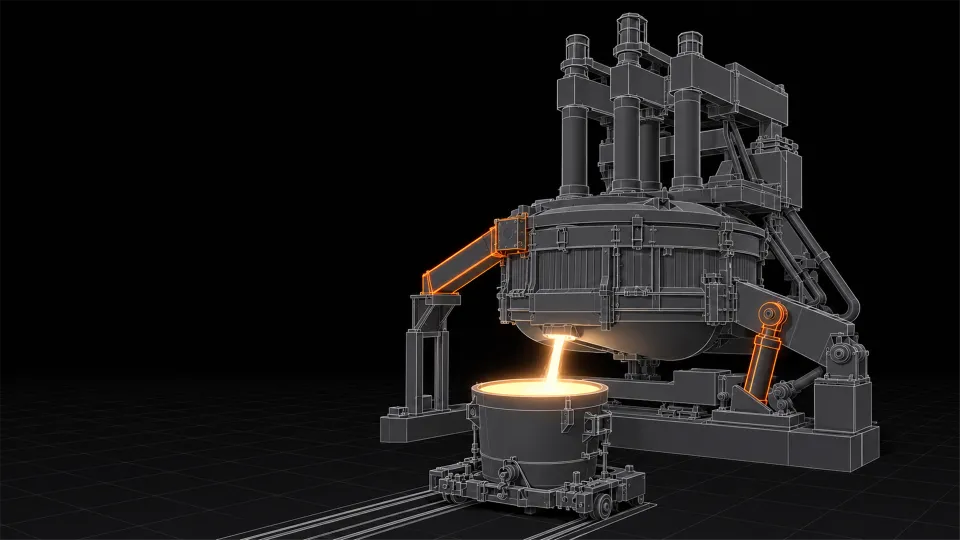
EAF Flux Addition
Prescribes lime addition to hit tapping temperature and cut power use.
+12%p
Tapping temp. hit rate
−3.1%
Power intensity
−8%
Lime consumption
Voltage tap 6 → 5
Steel & Specialty Steel
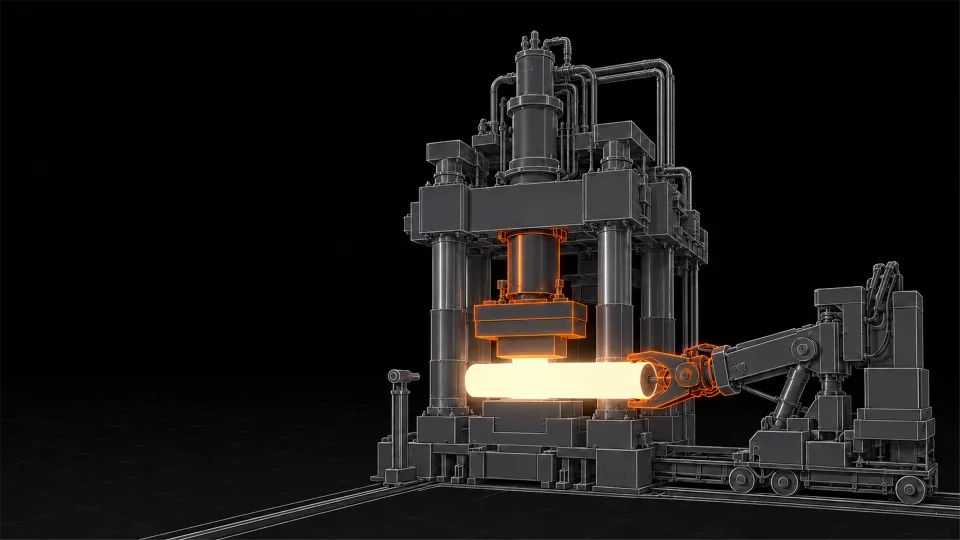
Open-Die Press
Example scenarioOpen-Die Press
Forging Pass Reduction Schedule
Prescribes reduction per pass and rotation angle to cut reheating cycles.
−1
Reheats
−9%
Forging cycle time
Reduction per pass 45 mm → 38 mm