
Scenarios
Steel & Specialty Steel · Refining · LadleExample scenario
Ladle Ferroalloy Addition
For grades with narrow chemistry specs, ferroalloy additions are hard to set. Aiming low risks re-additions; aiming high wastes expensive alloy.
+9%pFirst-time chemistry hit rate
−3.2%Ferroalloy usage
−40%Re-additions
Example scenario. Figures are illustrative.
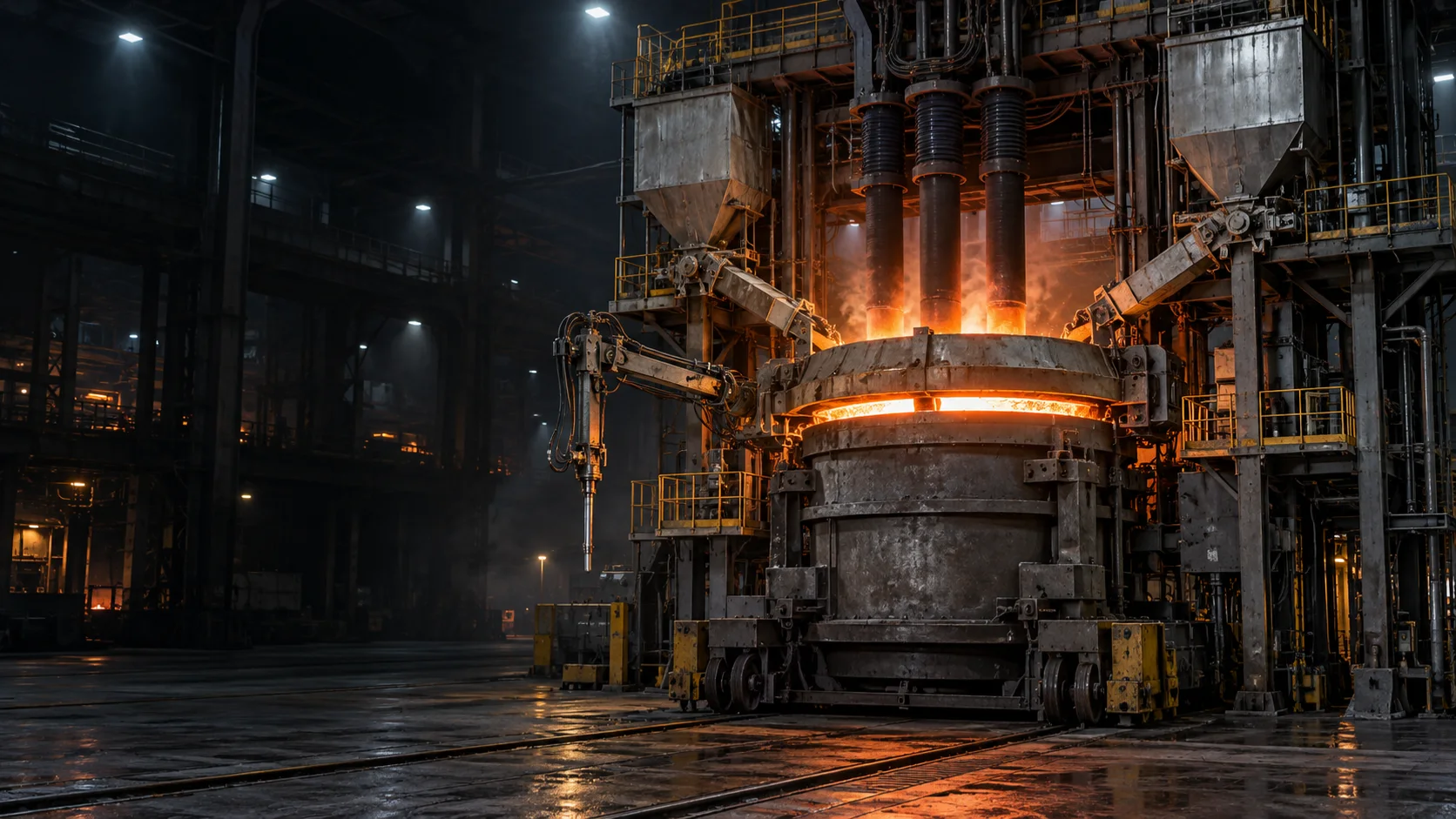
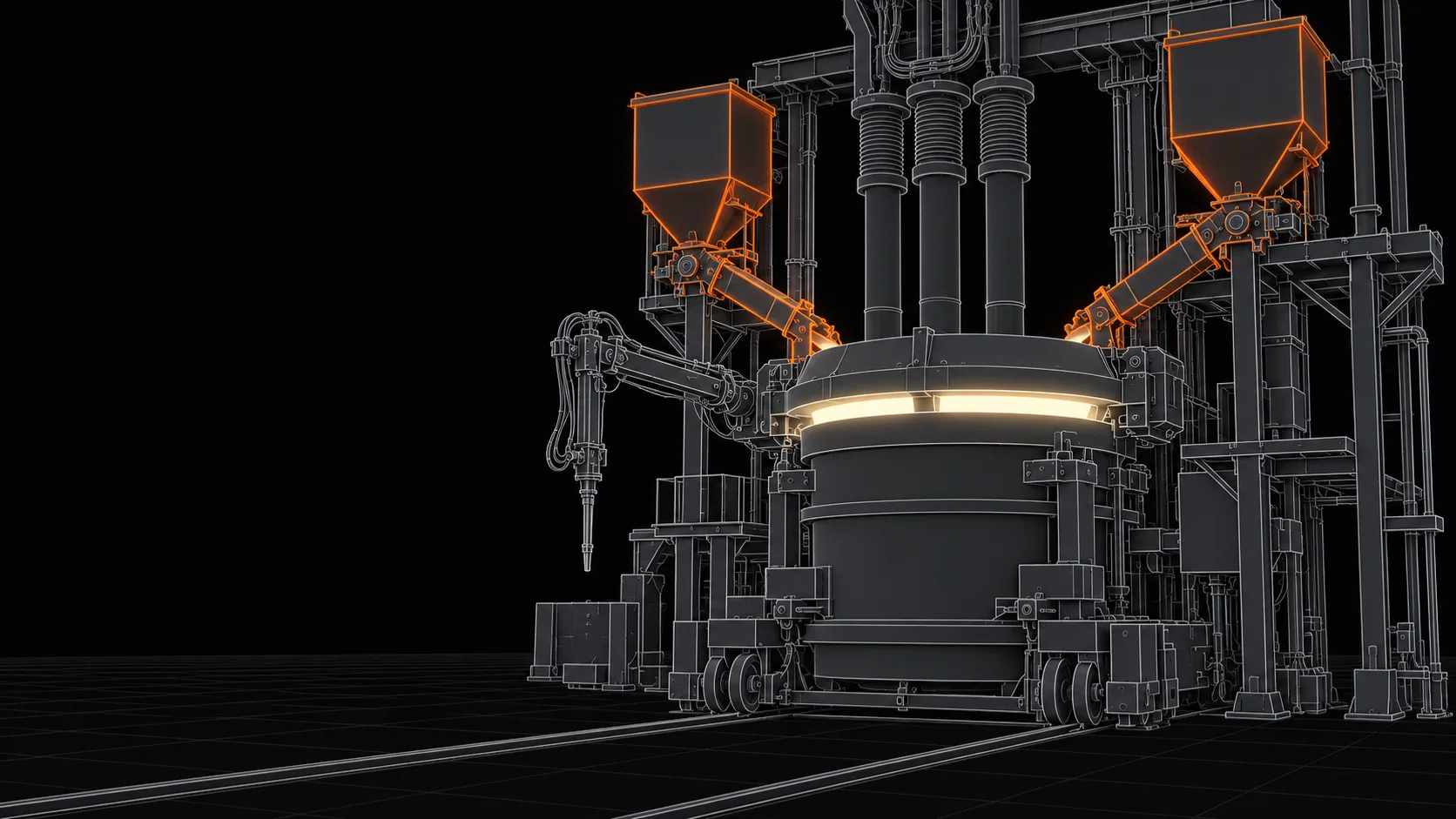
Plant dataMelt temperature1,612°C
PrescriptionFerronickel addition1,250 → 1,180 kg
PrescriptionFerrochrome addition860 → 885 kg
Expected resultFirst-pass hit rate82% → 91%
Plant dataPrescriptionExpected result
On the floor
- Situation
- The first analysis of a stainless 304 heat shows nickel 0.05%p below the lower spec limit.
- Trade-off
- Adding generous ferronickel hits spec in one go but raises cost; adding less means another addition and re-analysis.
- Limit
- Operators wait for analysis results and add again, extending refining time by more than 10 minutes per heat.
01
02
03
How we solve it
Learns how additions affect final chemistry from per-heat additions, melt weight and temperature, and alloy lot composition, then calculates a single addition within the chemistry spec.
Plant data
- Melt chemistry analysis
- Melt weight
- Melt temperature
- Ferroalloy lot chemistry
Prescription
- Ferronickel addition1,250 kg → 1,180 kg
- Ferrochrome addition860 kg → 885 kg
Also adjustedMelt temperature correction
Constraints
- Ni/Cr within grade specification
- Ladle temperature drop within limit
Expected results
First-time chemistry hit rate+9%p
82%→91%
BeforeExpected
Ferroalloy usage−3.2%
12.5 kg/t→12.1 kg/t
BeforeExpected
Re-additions−40%
10 times/day→6 times/day
BeforeExpected
Could this work for your process?
Tell us about your process and data, and we will assess feasibility.
Scenarios
Steel & Specialty Steel
Leaching/Neutralization
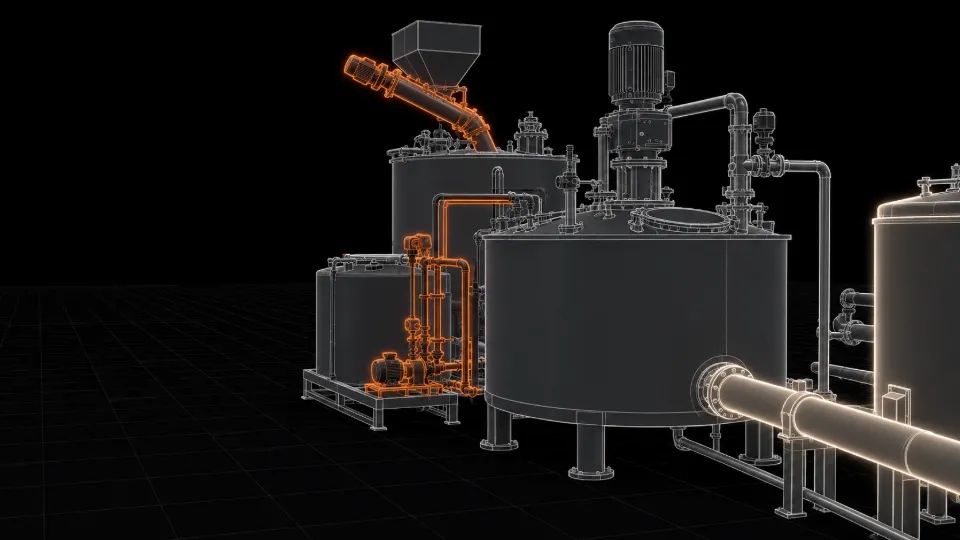
Example scenarioLeaching/Neutralization
pH Control in Leaching & Neutralization
Prescribes caustic soda dosing to hold pH on target and raise nickel recovery.
+4.8%
Nickel recovery
−62%
Time out of pH range
−9%
Caustic soda usage
Caustic soda dosing 12.0 L/h → 13.4 L/h
Steel & Specialty Steel
Electric Arc Furnace
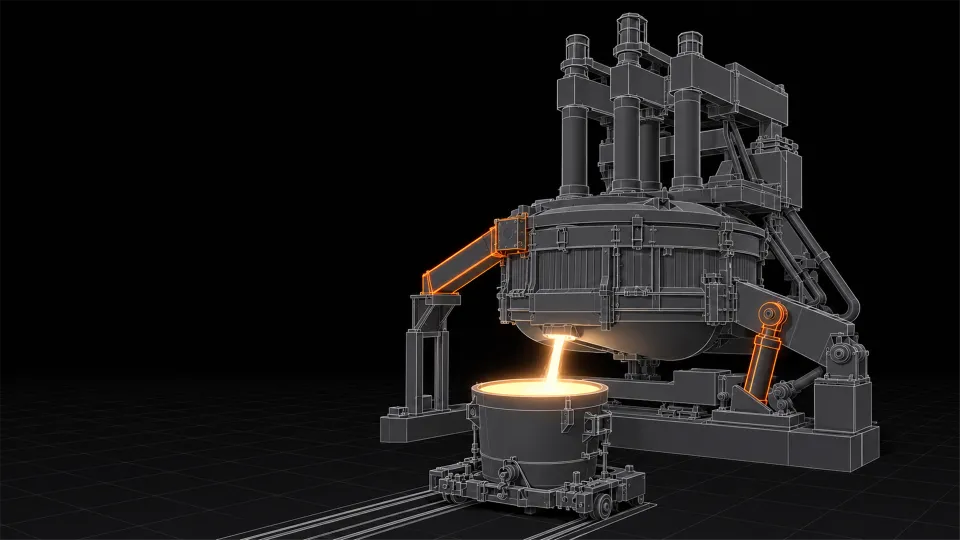
Example scenarioElectric Arc Furnace
EAF Flux Addition
Prescribes lime addition to hit tapping temperature and cut power use.
+12%p
Tapping temp. hit rate
−3.1%
Power intensity
−8%
Lime consumption
Voltage tap 6 → 5
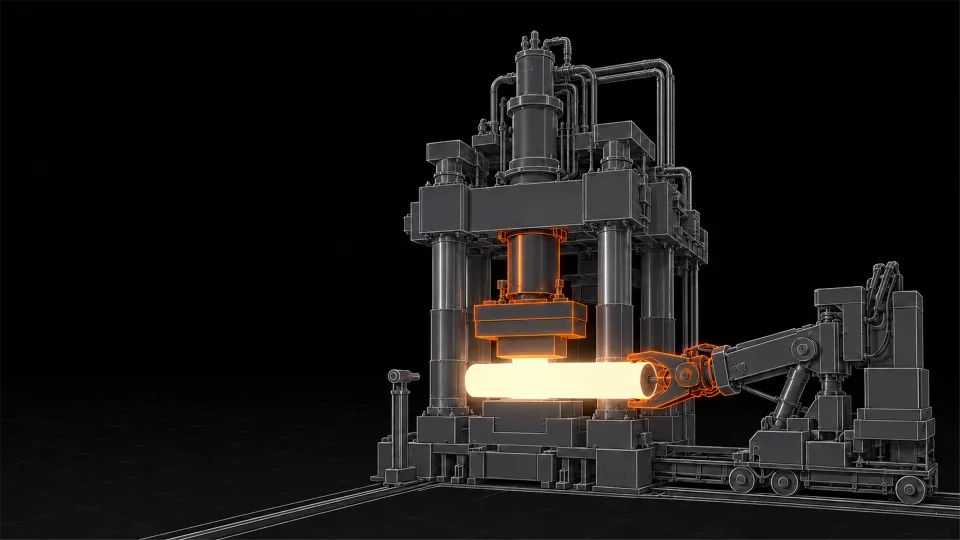
Steel & Specialty Steel
Open-Die Press
Example scenarioOpen-Die Press
Forging Pass Reduction Schedule
Prescribes reduction per pass and rotation angle to cut reheating cycles.
−1
Reheats
−9%
Forging cycle time
Reduction per pass 45 mm → 38 mm